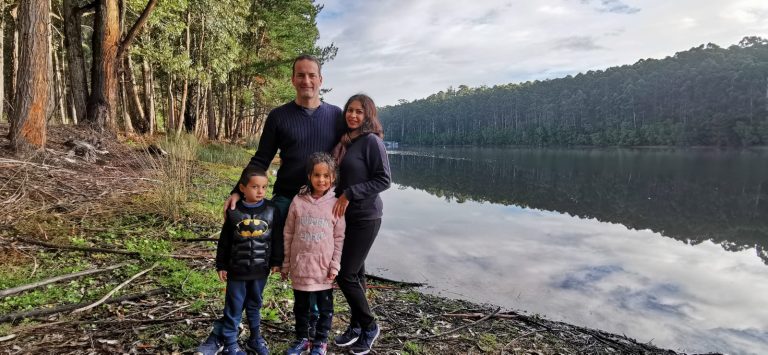
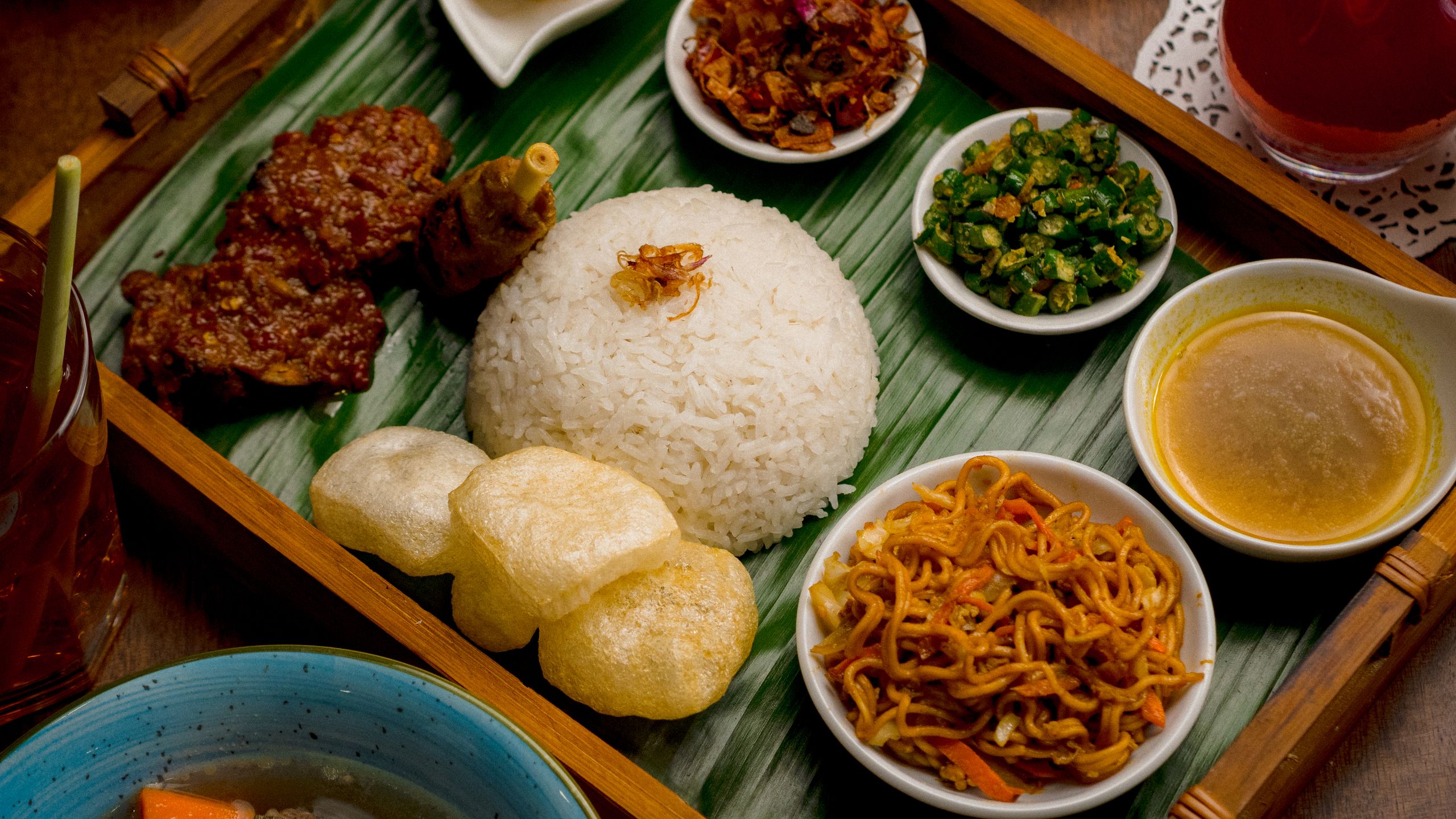
We spent about nine months based in Ubud in 2026 while the kids went to school there. Ask them now what they remember and the temples come some way down the list. The answers are mostly edible. Our children loved local dishes, including mi goreng, nasi goreng, Balinese Laklak for breakfast, and banana fritters for desert. They even made some of them in school.
It turns out we are not unusual. GetYourGuide surveyed 1,252 adults in the UK, France, Germany and Italy in October 2026, and 79% said they would travel specifically for regional food. Culture and history got 57%. More than half would travel for a single ingredient, and British travellers were the keenest at 66%. GetYourGuide calls it “biteseeing”, which is a silly word for a sensible idea.
Their list of ten ingredients worth travelling for is mostly European and has nothing from Bali on it. So here is our addition: seven food experiences in and around Ubud that worked with our children, with honest notes on the ones that worked less well.
1. A Balinese cooking class
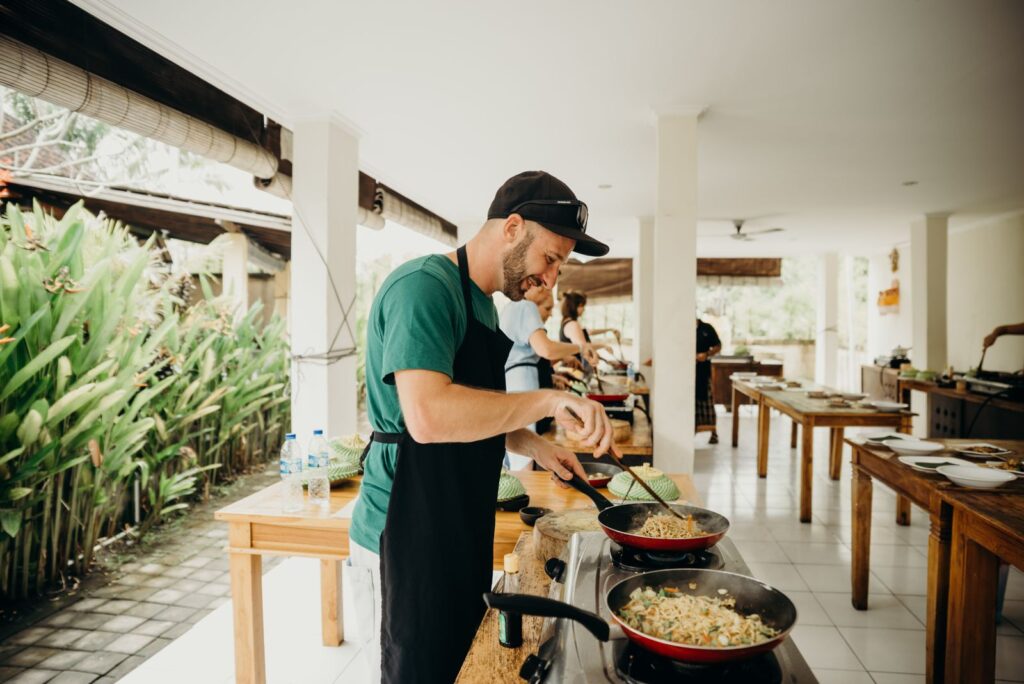
If you only book one thing, book this. A cooking class looks like an activity for the parents, and then the kids take over. Ours loved cooking satays and Balinese deserts.
Most classes follow the same shape. You start at a market or in a kitchen garden, then make a spice paste called base genep by hand, which is the foundation of most Balinese dishes. Pounding it in a stone mortar is loud, messy and takes a while, which is why children like it. Then you cook several dishes and eat them together.
We did ours with food market visit, and cooking in a tropical forest environment. It last about 3h and you pay around £$20 USD for this one – there are many choices of cooking classes.
What to check before you book with children:
- Length. Classes run from about two and a half hours to five. Under-eights tend to fade after three.
- Market visit or not. The market adds an early start. With younger kids, a class that goes straight to the kitchen is easier.
- Chilli. Ask for the sambal to be made separately. Classes are used to the request.
Here are our top picks:
We also cover a nine-dish class in our things to do in Bali with kids.
2. Making chocolate from the bean
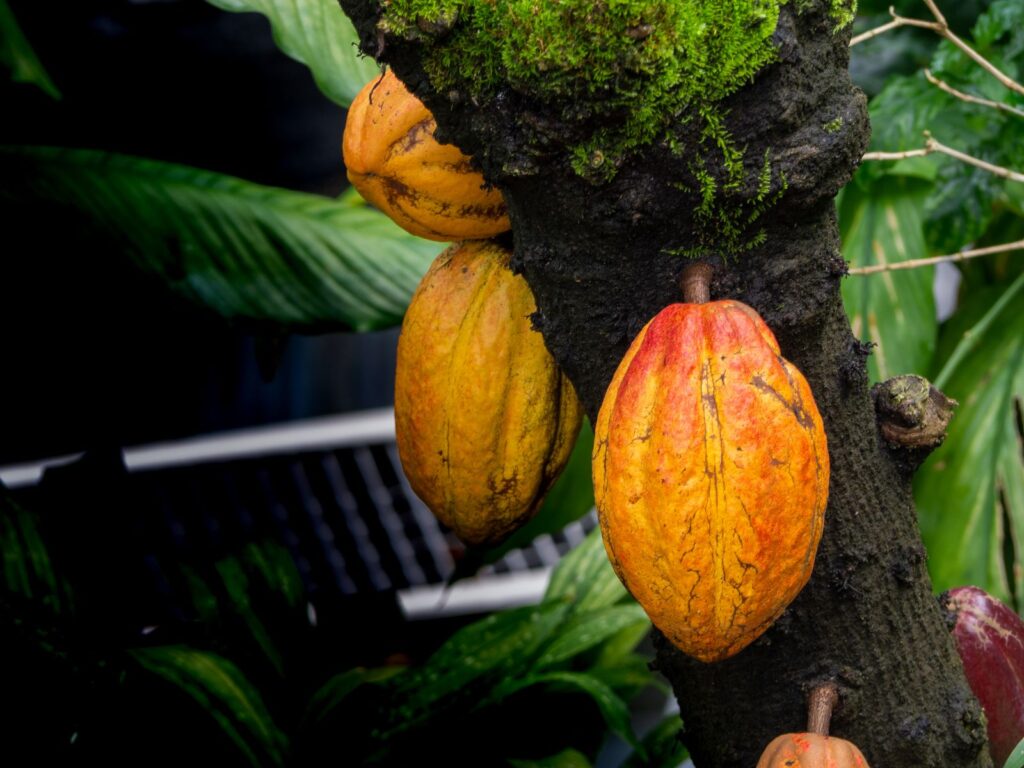
Cacao grows in Bali, and a handful of small producers around Ubud run workshops where you follow it from pod to bar.
You usually begin with an open cacao pod. The beans are covered in a white pulp that tastes like lychee and nothing like chocolate, which confuses everyone the first time. Then come roasting, grinding and pouring into moulds.
Ours was at Tebasari Coffee & Chocolate.
Workshops are short, often around an hour, so this suits younger children better than a cooking class does. One warning: in the Bali heat the chocolate you take home has a life expectancy of roughly one car journey.
Our top pick:
Our chocolate making classes top picks
3. Coffee and tea tasting at a plantation
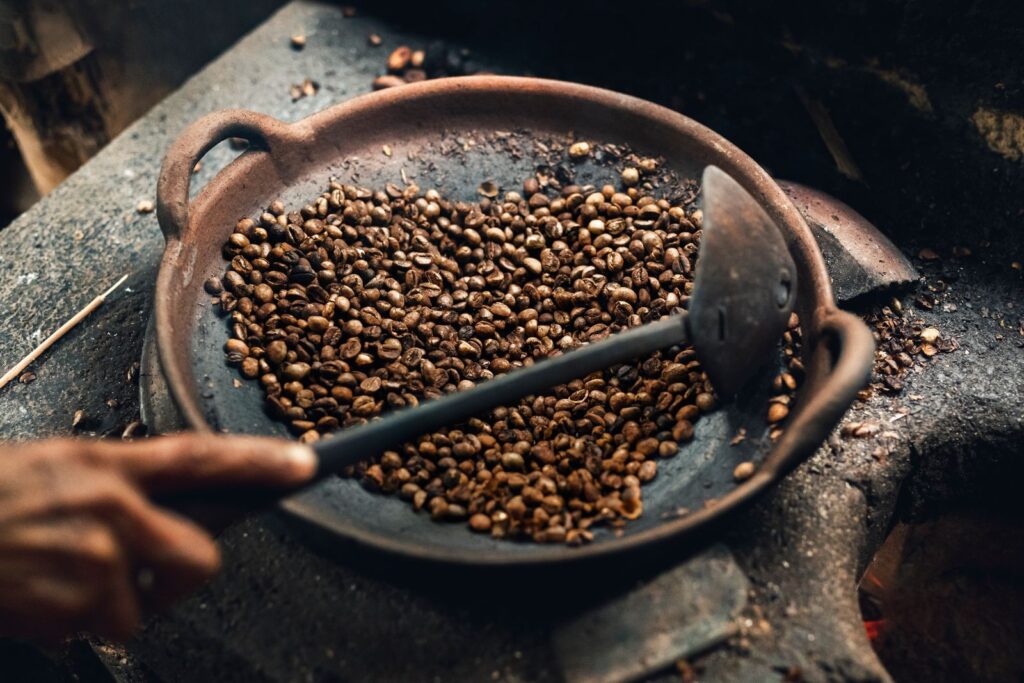
On the road north of Ubud towards Tegallalang and Kintamani you pass one coffee garden after another. The format is the same at most of them. Someone walks you past coffee bushes, cacao, vanilla vines and spice plants, shows you beans being roasted in a pan over a fire, then sits you down with a tray of a dozen or so small cups to taste.
For children, the tray is the point. Most of the cups are not coffee at all: there is ginger tea, lemongrass tea, coconut coffee and usually a very sweet hot chocolate, which our kids loved.
Two things to know. The tasting is normally free and you exit through the shop, where prices are high. And you will be offered kopi luwak, coffee made from beans that have passed through a civet. Many farms keep civets in small cages to produce the coffee. We were a bit uncomfortable with the civets in small cages, but overall the tasting experience was very nice and in really beautiful locations.
Most half-day drivers include a plantation stop. If you would rather book it, you can try this one: Lokasari: Coffee Plantation Tour, Herbal Tea & Pure Honey for about $6 USD.
Staying in the north for a few days puts you in proper coffee country. We wrote about that in our Munduk Moding Plantation review.
4. Ubud morning market
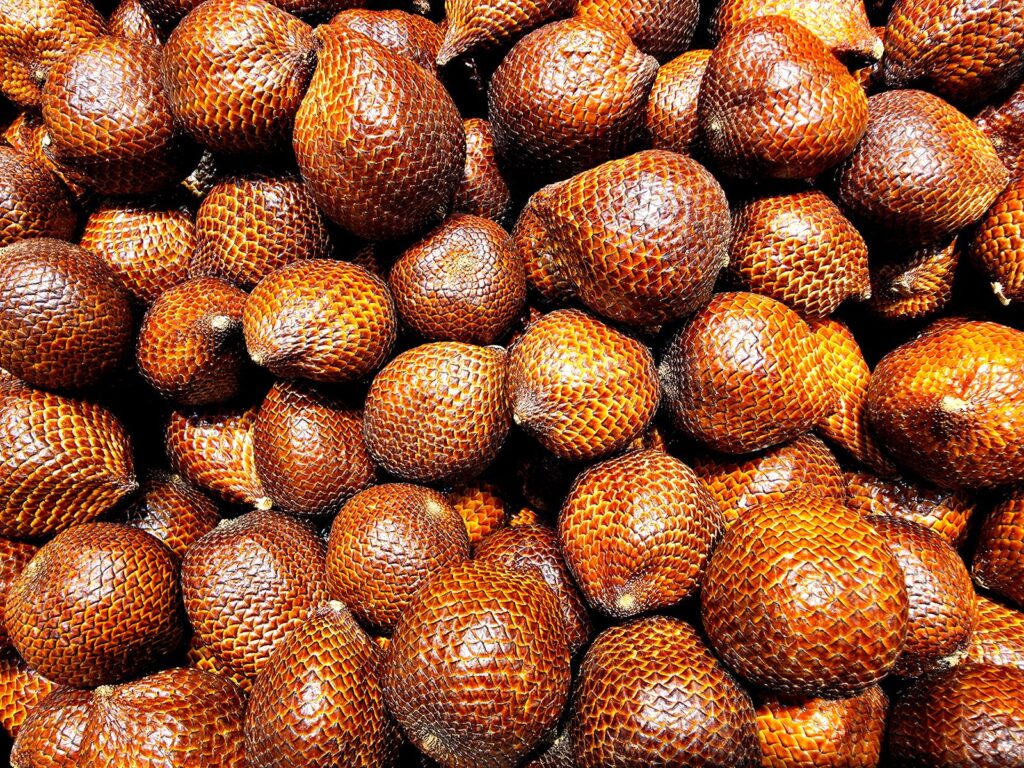
Ubud “early” morning market is a must-see. You have two morning markets, the one starting at 5 or 6 am until 8am with locals buying fruits, vegetables, spices and everything needed for their daily ceremonies. This is located near the main market. Then at around 9 am stalls start to open at the main central market. It is more touristic, but mornings are a great time: it’s less busy and you can negotiate the “morning” price, to give a bit of luck to the shop owner.
Good things to do for children to hunt for: snake fruit (salak), mangosteen, rambutan and the small sweet bananas. Jaja, the coloured Balinese rice cakes, cost very little and are worth a try.
Bring small notes, expect to bargain a bit, and keep a hand on younger children because the aisles are narrow and scooters come through.
5. A walk through the rice fields
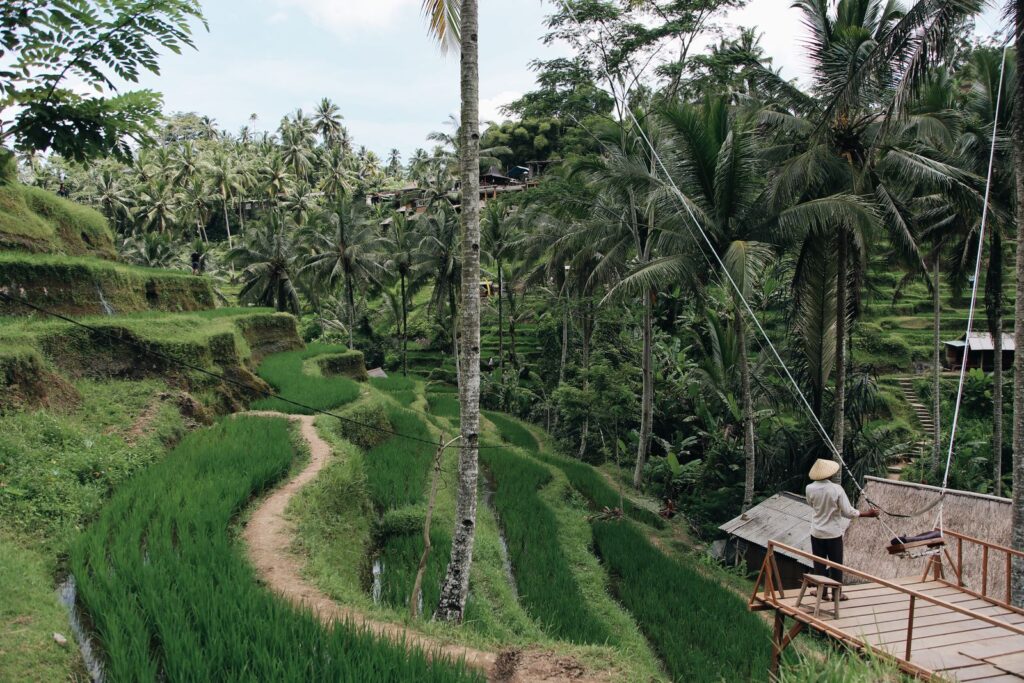
Rice is the ingredient Bali is built around. The terraces are watered by subak, a system of shared irrigation run by farmers’ cooperatives that goes back about a thousand years and is now on the UNESCO World Heritage list. The kids will love running after the ducks in channels beside the path.
We visited many of Bali’s rice fields during our time there, and each has its own unique charm. But what makes the biggest difference is the stage of the rice-growing cycle, as the landscape changes beautifully from planting to harvest.
Tegallalang is the famous one and it is busy, so go before 9am. If you want the food angle more than the photo, look for a farm visit where children can plant seedlings or pick vegetables. Some cooking classes include this, such as Ubud Cooking Class & Rice Fields Tour.
6. Eating at warungs
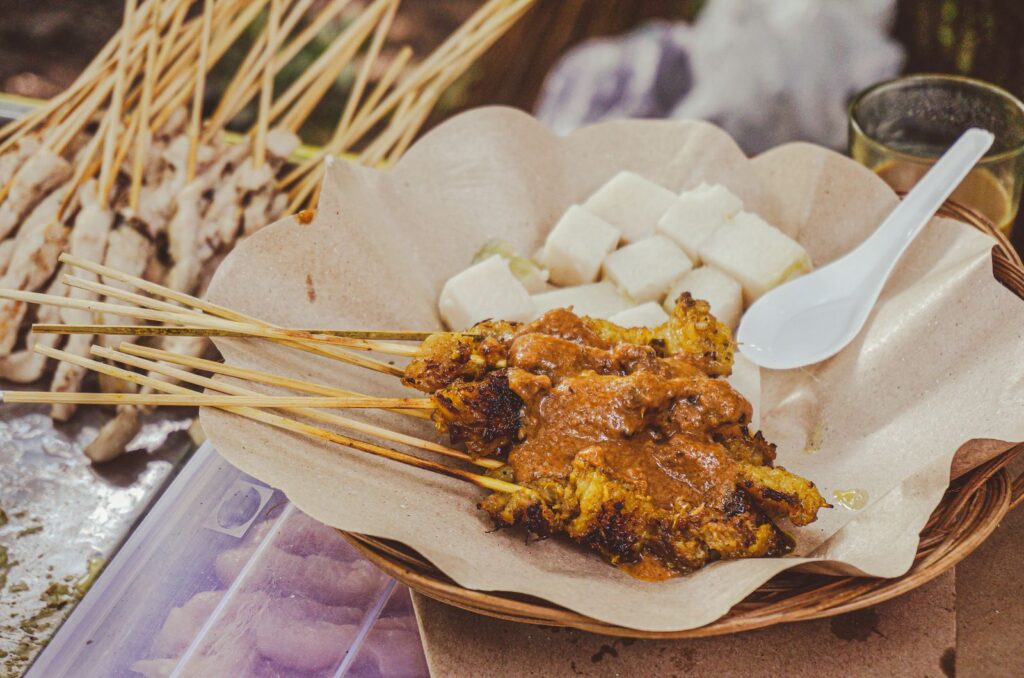
A warung is a small family-run restaurant, and this is where we ate most often. It is also the cheapest food option. Rest assured that food is always cooked fresh.
Dishes we liked as a family:
- Nasi goreng and mie goreng. Fried rice and fried noodles. Ask for “tidak pedas” (not spicy).
- Sate. Grilled skewers with peanut sauce. Never refused.
- Nasi campur. Rice with small portions of several dishes, good for trying things without committing.
- Babi guling. Balinese roast pork, the famous one.
“Bali Belly” is a thing. Our tips:
- Always drink bottled or filtered water. If you are unsure about if water was used in a dish (such as ice cream) consider avoiding it entirely.
- Pick places where food is cooked to order.
- Local pharmacists know exactly what to give you or your children if you have any problem. Just ask them.
- Bring your charcoal tablets just in case you need them.
7. Jamu, Bali’s turmeric drink
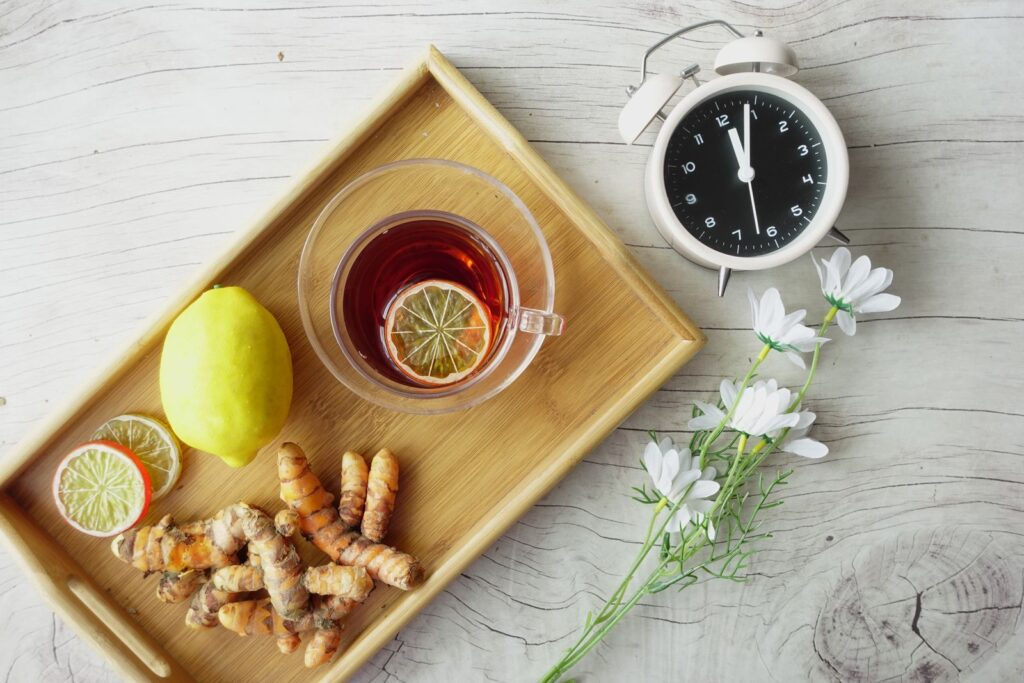
Jamu is a traditional Indonesian herbal drink. The common version is bright orange, made from fresh turmeric with tamarind and palm sugar or honey, and sometimes ginger. You see it in cafés and in reused bottles at market stalls all over Ubud.
Try a a jamu workshop, you will grate and pound the roots yourself, then strain and bottle your delicious juice. Everyone goes home with yellow fingers.
The one we missed: Kusamba sea salt
On the east coast, about an hour from Ubud, salt farmers at Kusamba still make sea salt by hand on a black sand beach. Seawater is carried up and sprinkled over raked sand, then the dried sand is filtered and the brine left to evaporate in hollowed coconut trunks. Salt from Lanzarote made GetYourGuide’s top ten, and Kusamba is Bali’s answer to it. We never got there.
Planning tips
- How many to book. On a one-week stay, two or three paid food experiences is plenty. The market and warungs fill the gaps for almost nothing.
- Best ages. Chocolate and coffee tasting work from about 4. Cooking classes and jamu are better from 6 or 7.
- Mornings. Markets, rice fields and classes are all better early, before the heat and the day-trippers from the south.
- Getting around. Most classes include pickup from Ubud hotels. For the plantations and rice terraces, hire a driver for half a day.
- Hire a driver for the day – we always booked a private driver which makes it easier, more flexible and reliable.
For the bigger picture, see our 10-day Bali itinerary and where to stay in Bali. If you are heading straight to Ubud after landing, read Bali airport to Ubud.
Survey figures: GetYourGuide research, “Biteseeing is the new sightseeing”, November 2026.
This blog article may contain affiliate links. If you book or buy something through the links, we will receive a small commission. This does not change the price for you but helps us to run our blog and carry on providing our detailed itineraries. Thank you for your support.